A Local's Guide to Experiencing Mumbai During the Monsoon
June 10, 2026
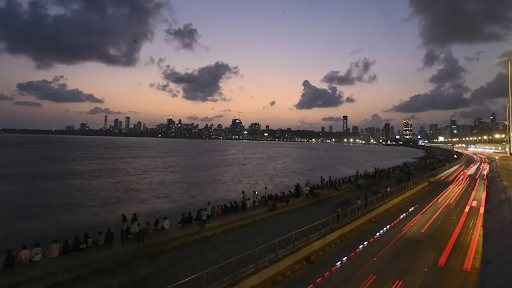
Living through a Mumbai monsoon changes how you experience the city. Between June and September, daily routines, travel plans, and even where people spend their time shift around the rain. For visitors, understanding this rhythm offers a very different perspective from the one found in most travel guides.
The rains arrive in early June and rarely let up until late September, with July typically delivering the heaviest, most relentless downpours. Locals plan their week around this rhythm rather than fighting it — checking radar before stepping out, keeping a second pair of shoes at the office, and treating sudden cloudbursts as a normal interruption rather than a crisis. If you're visiting and wondering about the best time to visit Mumbai for something other than dry, sunny skies, this is it: the city looks and feels completely different once the rain takes over, and a lot of that difference doesn't show up in typical things to do in Mumbai lists.
What follows isn't a checklist of landmarks pulled from a brochure. It's closer to what a Mumbaikar would actually tell a visiting friend over chai — where the rain is worth standing in, where it isn't, and how the city's rhythm shifts once the season properly arrives.
Why Locals Don't Dread the Rain
Most visitors arrive expecting monsoon to be an obstacle to work around. Mumbaikars know it's closer to a seasonal reset. The heat becomes more manageable, the air feels fresher, and daily life settles into a different rhythm. Rail services still face disruptions during periods of heavy flooding, traffic still backs up on the Western Express Highway, and umbrellas still turn inside out at the worst possible moment — but none of that stops the city from functioning. It just changes how people move through it
This is one of the better-kept secrets in any Mumbai travel guide: the rain thins out the tourist crowds at major sights without making the city any less alive. Restaurants that are impossible to get into in December suddenly have tables open on a Tuesday evening in July. Many travellers prefer the cooler, drier months for comfort, though monsoon offers a very different experience. A handful of monsoon tips make this transition easier for anyone visiting rather than living through it for the first time, starting with the simple fact that "rain" here doesn't mean a light drizzle — it means a wall of water that can last twenty minutes or three hours, with no real way to predict which.
Marine Drive, Reconsidered
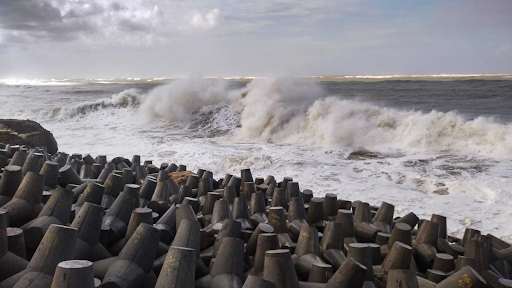
Every guide mentions Marine Drive. Few explain why it's actually worth doing in the rain rather than despite it. During monsoon, the waves get genuinely dramatic — they break over the sea wall and spray pedestrians who get too close, which is half the fun if you're not wearing anything you care about. The promenade is noticeably less crowded than during the drier months, and finding a table at nearby cafés becomes much easier.
Locals tend to time their visit for early evening, just as the light starts to fade and the first heavy showers of the day have usually passed. It's less about the view — which is good year-round — and more about having room to actually stand still and look at it. Walk the full stretch from Nariman Point toward Chowpatty if the rain holds off, since this is one of the rare times the entire promenade feels like it belongs to whoever's on it rather than to a crowd of a few thousand people doing the same thing.
Where the Crowds Thin Out
Sanjay Gandhi National Park turns properly green once the rains set in, and the seasonal waterfalls inside it only exist for these few months — they're not there the rest of the year. The catch most guides skip: trails get slippery and the park can close access during the heaviest spells, so it's worth checking conditions the same day rather than planning around it weeks in advance.
Hanging Gardens, up on Malabar Hill, is a slightly different story. It's a pleasant walk on a calm day, but the open terraces don't offer much shelter, and a sudden downpour here means you're stuck exposed with nowhere to go. Locals generally treat it as a clear-morning destination rather than a monsoon one — worth knowing before you build an afternoon around it. Haji Ali Dargah nearby is the better rainy-day pick: Access to the causeway can be affected during high tide, making it worth checking conditions before visiting, so monsoon just adds rain on top of a logistics puzzle that's worth checking tide timings for either way.
Further south, the Gateway of India and the ferry point for Elephanta Caves both get a different character in the rain — rougher seas make the crossing more of an event, though it's also when sailings are most likely to get cancelled without much notice. None of these are wasted trips during monsoon; they just ask for a same-day check rather than a fixed itinerary, which is the bigger shift in how locals approach things to do in Mumbai once June arrives.
Neighborhoods That Reward Wandering
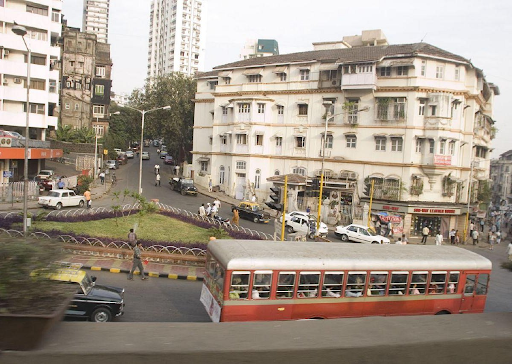
South Mumbai isn't the only place that changes character once the rain sets in, and limiting a visit to the headline sights misses most of what makes this season worth experiencing. Bandra's older lanes — particularly around Chapel Road and Waroda Road — take on a distinct character once the rain eases, making them particularly enjoyable to explore on foot. It's a slower kind of sightseeing, best done on foot with no fixed endpoint, and one of the better monsoon tips a local would actually give: keep one neighborhood loose and unplanned rather than trying to schedule every hour of the day.
Closer to where most visitors actually stay, the stretch from Kemp's Corner down through Cumballa Hill and Pedder Road toward Mahalaxmi is worth a wander in its own right — older bungalows, smaller shops, and a noticeably calmer pace than the city center. It's not on most shortlists of things to do in Mumbai, which is partly the appeal: there's room to actually look around without being swept along by foot traffic. This pocket of the city also happens to put Haji Ali, the Hanging Gardens, and Mahalaxmi Temple within easy reach of each other, so an afternoon here can cover a fair amount of ground without much backtracking.
Planning Around the Rain, Not Despite It
A common mistake in how people approach the best time to visit Mumbai is treating monsoon as a single four-month block of identical weather. It isn't. June tends to ease in with shorter, less intense showers as the season builds. July and the first half of August are usually the heaviest stretch, where multi-hour downpours and occasional waterlogging are genuinely likely. By September, the rain starts tapering into shorter, more scattered bursts, which for many visitors ends up being the most comfortable window of the whole season — lush scenery without quite as much risk of a washed-out day.
Most of the monsoon tips circulating online focus on what to pack. The more useful version is about pacing: build one indoor backup into every day, keep at least one meal flexible, and accept that the schedule will probably move around the weather rather than the other way around. Visitors who remain flexible with their plans generally have a better experience than those expecting perfectly predictable weather. A base like The Shalimar Hotel, with several of these flexible options within a short walk, makes that kind of pacing easier to manage than staying somewhere that requires a long commute back whenever plans change.
Getting Around Without Losing the Day
The Mumbai local train system generally continues operating during monsoon, though severe weather can cause delays and temporary disruptions. Most residents build in extra time rather than cutting it close, and treat road travel as the more reliable backup when the trains look uncertain. None of this is a reason to avoid the city — it's simply part of reading the day correctly, the way locals do without thinking about it.
A few habits make the season easier regardless of how long you're staying: synthetic or rubber footwear over leather, a lightweight rain layer instead of a bulky one, and a general willingness to wait out a downpour under whatever shelter is nearby rather than push through it. Mumbai's monsoon tips boil down to the same handful of things every local already knows — dress for wet, not for cold, and build slack into any plan that involves being somewhere on time. One practical rule is to avoid scheduling activities too closely together, particularly during July when heavy rain can cause delays.
A Quieter Base for the Season
If you'd rather retreat somewhere unhurried between days out in the rain, The Shalimar Hotel sits in the Kemp's Corner area on August Kranti Marg — close enough to Haji Ali, the Hanging Gardens, and Mahalaxmi to reach any of them without a long commute, but removed from the noise of the more tourist-heavy stretches further south. It's the kind of spot that works well as a base precisely because it isn't trying to be a destination in itself
For anyone weighing the best time to visit Mumbai against where to actually stay once they're here, a quieter pocket of the city matters more during monsoon than it does the rest of the year — fewer crowds to navigate on the way back after a wet afternoon, and a shorter walk between wherever the day took you and somewhere dry. The Shalimar Hotel's location does that work without needing to be the centerpiece of the trip.
Festivals That Only Happen Now
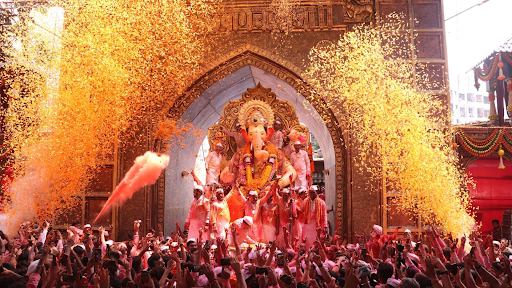
Ganesh Chaturthi falls toward the end of monsoon, usually in August or September, and it changes the city's energy more than almost anything else on the calendar. Pandals go up across every neighborhood, processions take over entire streets for the immersion, and the usual rules about Mumbai being a city you observe from a slight distance stop applying. If your visit happens to overlap with it, this is worth rearranging a day around — it's not something replicated at any other point in the year.
Smaller, quieter rituals run through the season too. Naag Panchami and Nariyal Purnima both fall within these months for different communities across the city, and neither gets anywhere near the attention Ganesh Chaturthi does, which is partly what makes them worth seeking out if you're already deep into a monsoon visit and looking for things to do in Mumbai that don't show up on a typical itinerary. Few entries in a standard Mumbai travel guide mention either one, which is usually a sign they're worth the small effort to track down.
The Honest Version
Monsoon in Mumbai isn't a clean, easy season, and no honest Mumbai travel guide should pretend otherwise. Some days the rain just wins and the right move is canceling plans and finding a window seat with chai. But the months between June and September show a side of the city that the rest of the year doesn't — quieter landmarks, sharper greens, food that tastes better specifically because it's raining, and a pace of life that rewards anyone willing to stop checking the forecast and just bring the right shoes.
If there's a single takeaway buried in all of this, it's that the best time to visit Mumbai depends entirely on what you're actually looking for. Anyone chasing dry skies and predictable plans should come in winter. Anyone who wants to see the city the way the people who live in it actually experience it — slower, greener, a little chaotic, occasionally soaked — should come now. Any Mumbai travel guide worth following should say the same thing plainly: this isn't a season to plan around, it's the one worth planning for.
← Back to Blog