Mumbai Art Side Quests: Cultural Experiences Worth Exploring
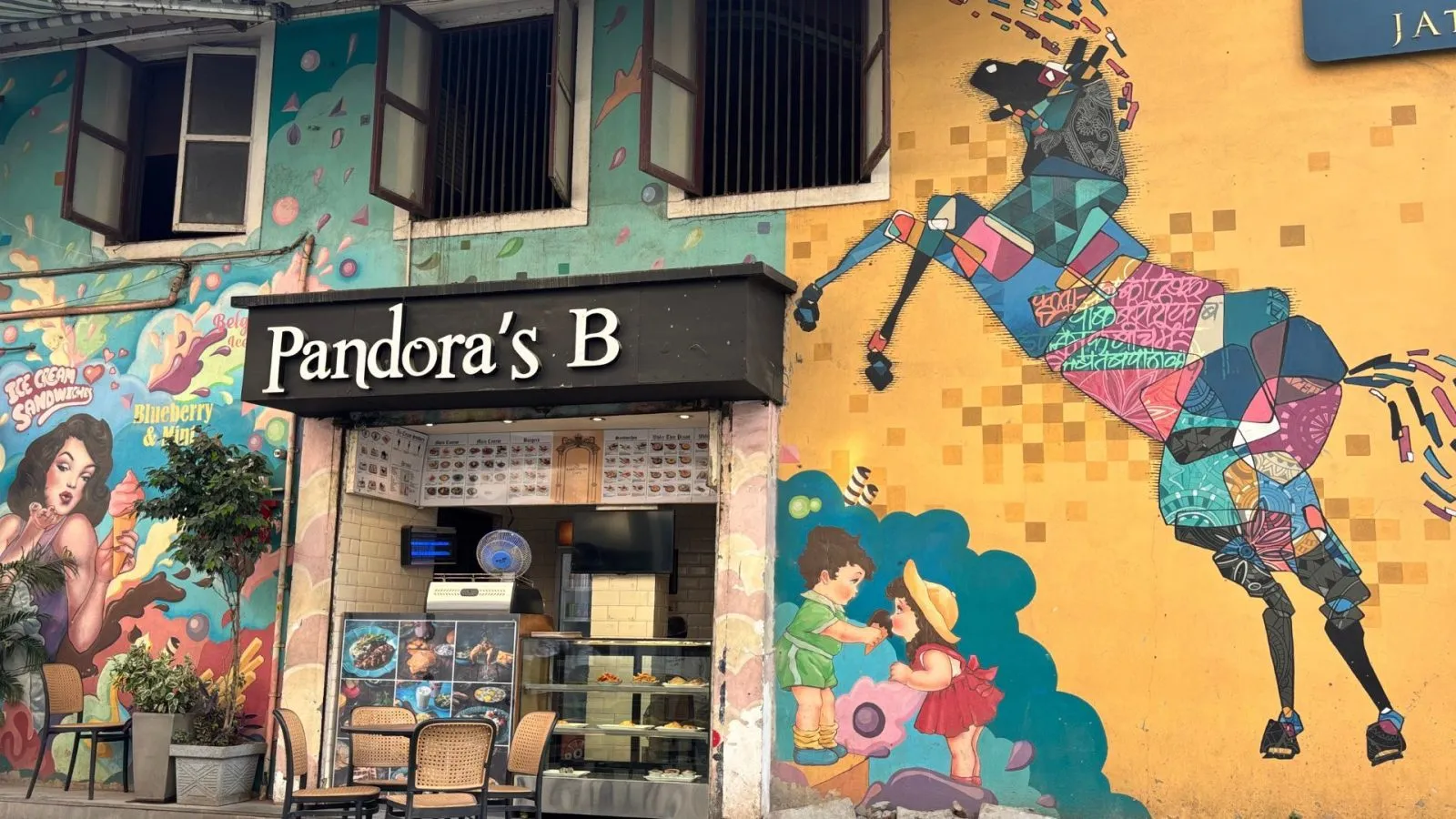
Mumbai's art scene is much larger than its most famous museums and landmarks.
Some of the city's most interesting experiences happen in small gallery spaces, design studios, temporary exhibitions, cultural venues and places where art unexpectedly becomes part of everyday life. Mumbai's contemporary-art calendar changes regularly, with galleries, cultural institutions and independent spaces continuously introducing new exhibitions, talks, performances and design-focused programmes.
That is where this guide begins.
Rather than sending you back to the usual museum-and-monument circuit, these are the art side quests worth adding when you have already seen the obvious things. Some are permanent places to know. Others are recommendations that may only be relevant for a few weeks or months.
Because of that, this guide is intentionally different from a conventional evergreen sightseeing article. The permanent spaces give you a starting point, while the exhibitions and programmes should always be checked before you visit.
Start With a Gallery You Were Not Planning to Visit
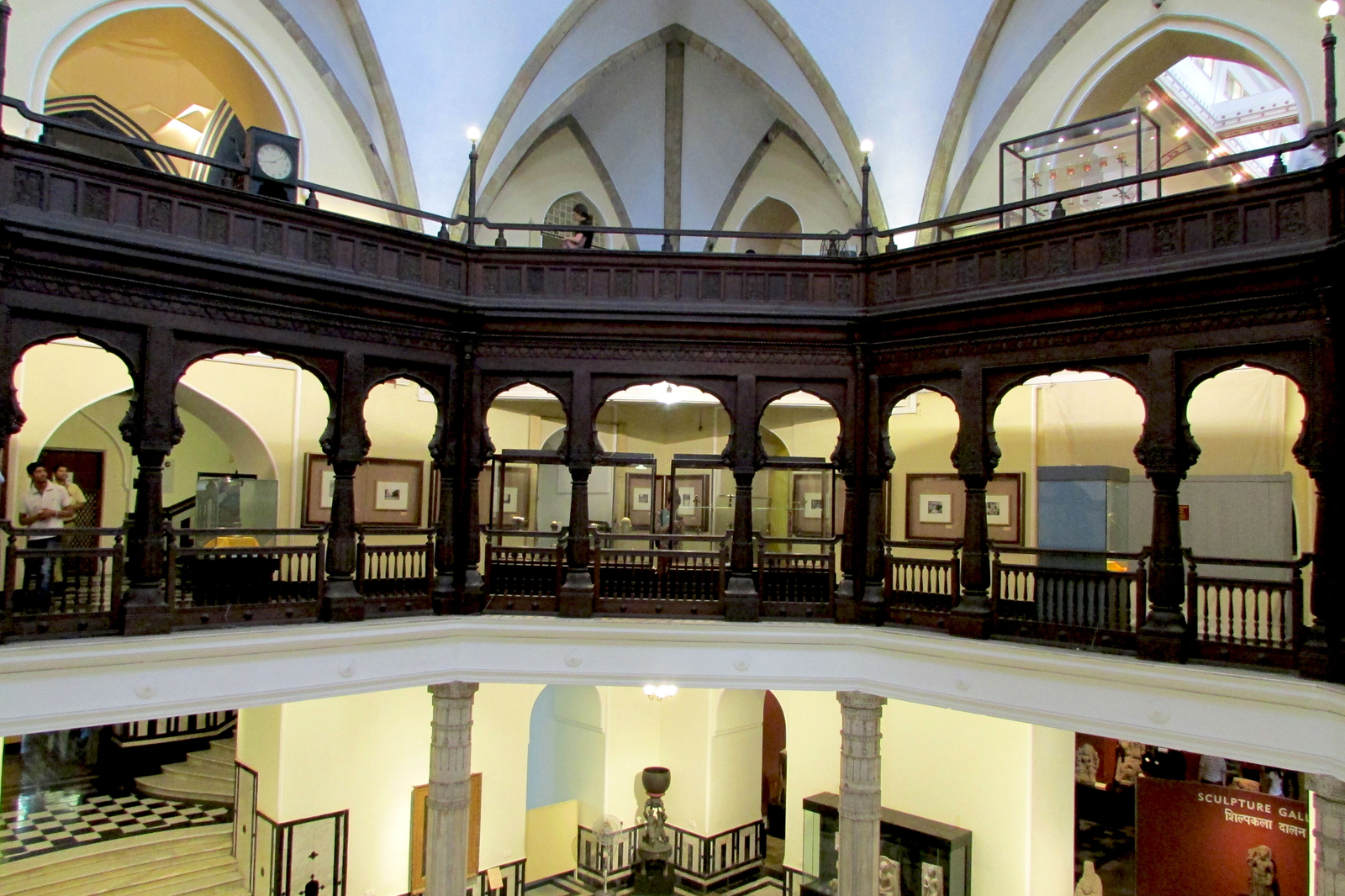
The easiest way to make an afternoon around art more interesting is to stop trying to find the single “must-see” gallery.
South Mumbai has a cluster of contemporary spaces where exhibitions change frequently. That means the right question is not always “What is the most famous gallery?” but “What is showing while I am here?”
For visitors staying at The Shalimar, this makes an art afternoon particularly flexible. You can build a short gallery walk around Colaba or Kala Ghoda, then leave enough time for coffee, lunch or another cultural stop nearby.
Experimenter, Colaba
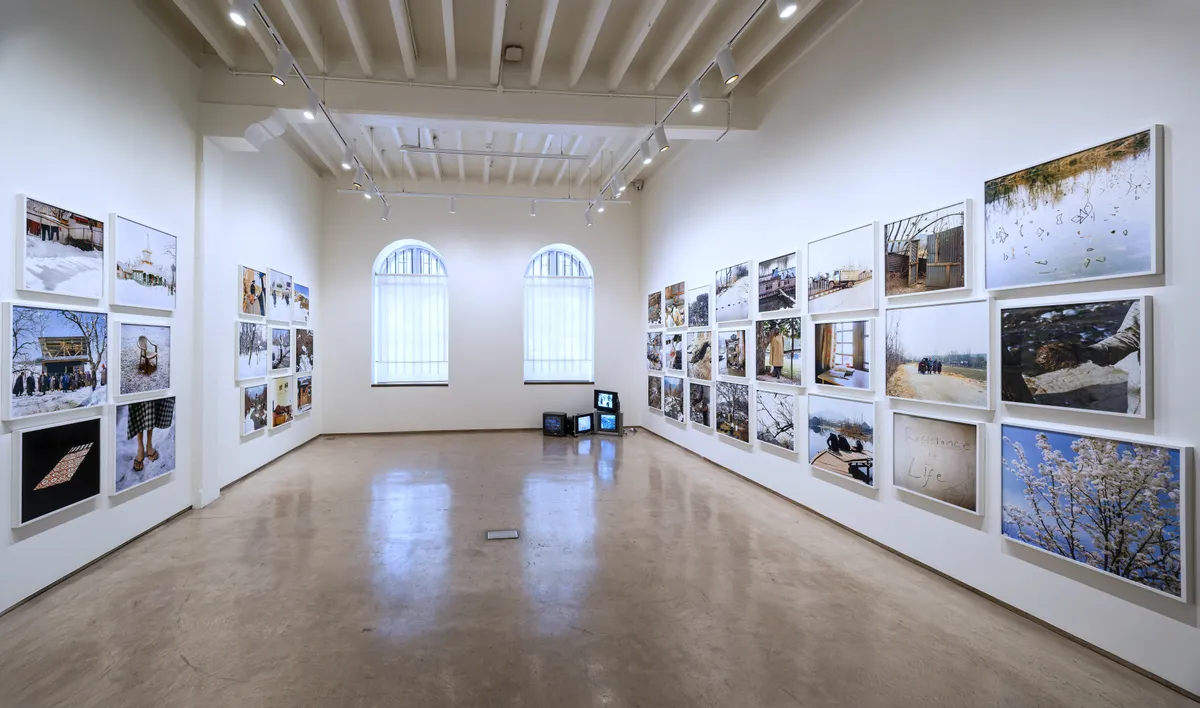
Experimenter's Colaba space opened in 2022 and is dedicated to contemporary practices that extend beyond conventional gallery formats, with programming that also includes talks, performances and workshops.
Its current exhibition, Belong by Chanakya School, runs from 10 September to 17 October 2026 and explores belonging through textile, sculpture, memory and inherited knowledge.
It is exactly the kind of exhibition that makes an art side quest worthwhile. The subject is broader than the object hanging on the wall, and the materials become part of the story.
Check before visiting: Exhibition dates can change, so confirm the current programme before making the gallery the main stop of your afternoon.
Jhaveri Contemporary
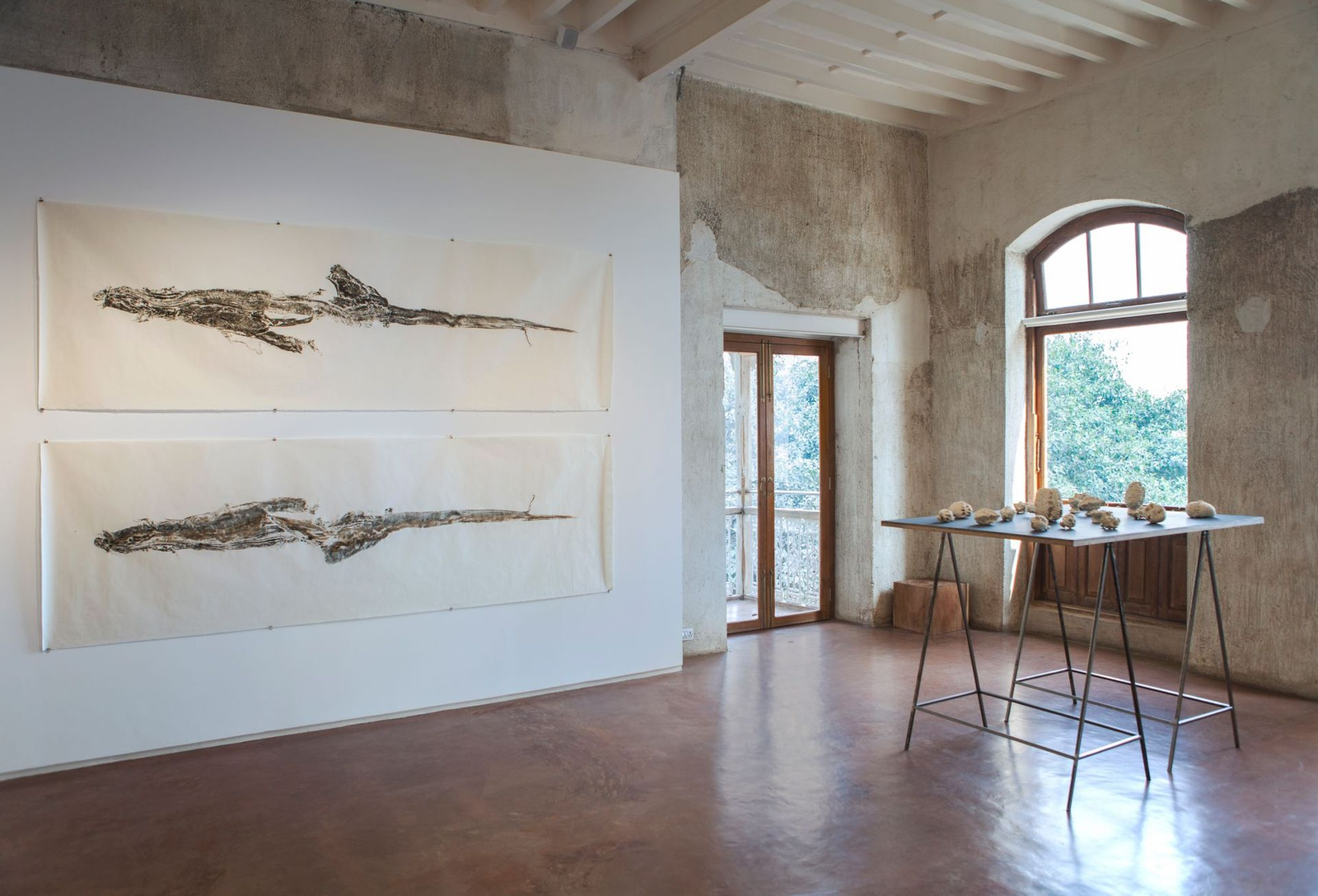
Jhaveri Contemporary is also currently showing The Distance We Inherit by Jake Grewal from 10 September to 17 October 2026.
The gallery focuses on artists whose practices engage with South Asian histories and connections, including both established and emerging voices.
This is a useful choice when you want a more intimate gallery experience rather than a large institutional exhibition.
Check before visiting: Look at the gallery's latest exhibition listing before travelling, particularly if your visit falls outside the current exhibition period.
Muziris Contemporary
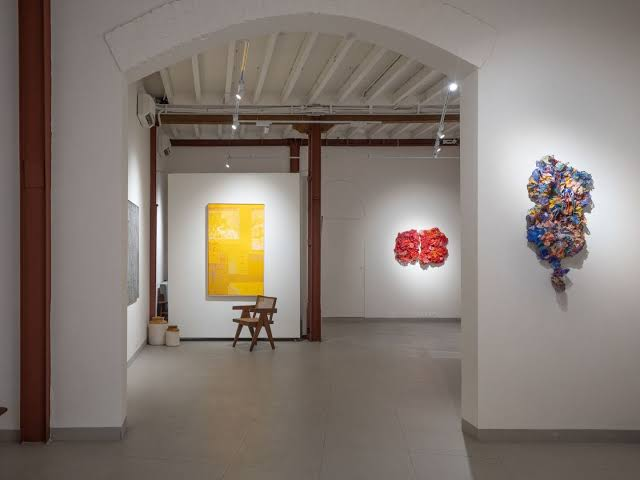
Muziris Contemporary opened in Colaba with a focus on contemporary art from across South Asia, particularly artists and movements that have received less attention in the mainstream art market.
Its current exhibition, Stick No Bills by Guesswho, is scheduled through 30 September 2026.
The exhibition's connection to street posters, urban imagery and popular visual culture also makes it a useful reminder that contemporary art does not always have to look formal or intimidating.
Check before visiting: This is a particularly time-sensitive recommendation because the current exhibition has a defined closing date.
Follow the Exhibition Calendar, Not the Landmark Calendar
The most interesting thing about Mumbai's art scene is that it changes faster than a conventional travel guide can.
Current exhibitions across the city can include gallery shows, photography exhibitions, textile-focused projects, installations and artist-led programmes. In September 2026, examples include Gardens of Imagination at Chemould CoLab, The Garden Makers at Rukshaan Art, Internal Balance at Akara Contemporary and Parag Tandel's Salted Caviar at TARQ.
The point is not to turn this guide into a permanent list of exhibitions.
It is to encourage visitors to check what is happening now.
An exhibition that makes this page especially useful this month may no longer be relevant six months later. That is part of the appeal of Mumbai's art scene, but it also means this section should be reviewed regularly.
Artisans' in Kala Ghoda
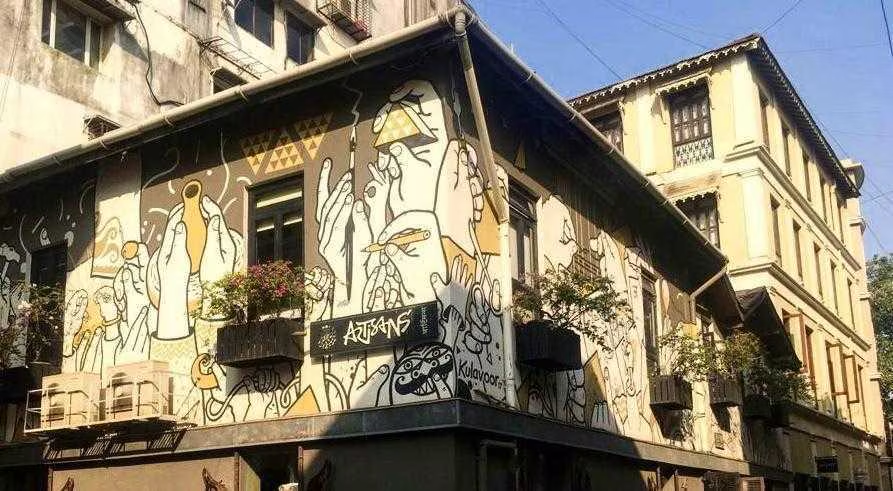
ARTISANS' in Kala Ghoda focuses on handmade traditions, crafts and contemporary design. It describes itself as more than a gallery or shop, with an emphasis on keeping handmade practices relevant within contemporary culture.
Its Mumbai space is at 52–56 V. B. Gandhi Marg.
It is worth entering even when you are not planning to buy anything. Textiles, objects and books can reveal a different side of Indian creativity from what you encounter in a conventional gallery.
This is a useful stop to add between exhibitions because it changes the rhythm of the afternoon from looking at art on walls to exploring objects, materials and making.
EKA Design Studio
EKA's Mumbai store occupies the Old Bake House in the Kala Ghoda area and was designed by Rina Singh and Sandeep Dua.
The store combines clothing, textiles, accessories and design objects while also serving as a setting for launches and community events.
The interesting part is the overlap between retail and spatial design. The store itself becomes part of the experience.
It works particularly well as a side quest during a Kala Ghoda walk because the visit can be as much about the space and objects as about shopping.
SIMONE
In Colaba, SIMONE occupies an 8,000-square-foot space within Amerchand Mansion and combines furniture, lighting, carpets, tableware, textiles, wall art and other home-design pieces across two levels.
This is the side quest for anyone who looks at a room before they look at the menu.
It also introduces another side of Mumbai's creative culture: design that is encountered through interiors, materials and objects rather than traditional exhibition formats.
Look at the Architecture, Not Just the Building
Architecture side quests work differently from heritage sightseeing.
The question is not simply “When was this building built?” but “What is this space trying to do?”
NCPA, Nariman Point
The National Centre for the Performing Arts brings together theatres, a photography gallery, gardens and multiple performance spaces, with programming across theatre, music, dance, film, photography and multi-arts.
It is worth visiting even when you are not attending a major performance because the experience is about the relationship between architecture, performance and public space.
For guests interested specifically in architecture and design, NCPA also conducts specialised technical tours for students of architecture, design and related disciplines.
The broader appeal is that a visit can change depending on what is happening that day, making it another place where checking the current programme matters.
The Public-Art Side Quest
Public art is harder to plan because the best examples are often temporary.
Instead of searching for one permanent sculpture and ticking it off, it is worth paying attention to installations, outdoor programmes and temporary art that change how a public space is used.
A good example is ART MUMBAI's Sculpture Park at Mahalaxmi Racecourse, which brings sculpture out of traditional gallery settings and places installations across open-air areas of the venue.
The 2026 edition is scheduled for 12–15 November at the Mahalaxmi Racecourse.
That approach changes the experience completely. You do not simply stand in front of a sculpture; you encounter it while walking, moving around it and seeing it in relation to the surrounding space.
Check before visiting: Event dates are fixed, so this recommendation should be treated as a seasonal addition rather than a permanent attraction.
Art Night Thursday: When the Galleries Stay Open
Mumbai Gallery Association's Art Night Thursday takes place on the second Thursday of every month, with participating galleries extending their hours until 9 PM and hosting exhibitions, screenings, performances, talks, walkthroughs and other special programmes.
Entry is free.
This is one of the easiest art side quests for a visitor because you do not need to build a complicated day around it.
Pick a few galleries, walk between them, see what catches your attention and let the evening develop naturally.
The important thing is to check the participating galleries and that month's programme before heading out, because the experience is built around what is happening at that particular edition.
When Art Moves Into Craft
Some exhibitions are especially interesting because they blur the line between art, design and traditional making.
At Experimenter Colaba, Belong by Chanakya School brings textile practice and sculptural form together around questions of body, ecology, memory and inherited knowledge.
At Dr Bhau Daji Lad Museum, En Route expands embroidery into a form of mapping and storytelling, bringing together works developed through the Chanakya School of Craft and exploring journeys, memory and geography. The exhibition is on view through 20 October 2026.
These are useful stops for visitors who want to understand contemporary Indian creativity without separating “art” from craft, textile and material culture.
Check before visiting: Exhibition-based recommendations are intentionally date-sensitive. Verify the exhibition period and museum timings before planning the route.
A Photography Detour
Photography deserves its own place in a Mumbai art itinerary because the city has always had a complicated relationship with images, cinema, journalism and public life.
DAG's Faces and Facets: Satyajit Ray in Colour is on view in Mumbai from 11 September to 31 October 2026 at DAG, The Taj Mahal Palace.
The exhibition focuses specifically on colour photographs of filmmaker Satyajit Ray taken by Nemai Ghosh.
It works particularly well as a side quest for visitors interested in photography who would rather see an exhibition with a strong narrative than a general survey of photographic history.
Check before visiting: Because the exhibition has a defined closing date, confirm that it is still running before making it part of your itinerary.
Follow the Cultural Programme
Sometimes the best art experience is not an exhibition at all.
NCPA's current programme spans theatre, music, dance, film, photography and multi-arts events, with upcoming programming continuing through October 2026.
One upcoming example is James McNeill Whistler, an Exhibition on Screen presentation scheduled at NCPA's Godrej Dance Theatre on 30 September 2026.
This is why checking what is happening during your stay can be more rewarding than relying only on permanent attractions.
A play, artist talk, screening or performance can become the unexpected highlight of an evening.
How We Would Plan an Art Side Quest
The mistake is trying to see everything.
A more enjoyable plan is to choose one theme rather than one famous destination.
For a Colaba gallery afternoon, start with the current exhibitions at Experimenter, Jhaveri Contemporary or Muziris Contemporary. Choose two or three rather than attempting to visit every space, then add a coffee or design stop nearby.
For a Kala Ghoda creative walk, combine a current gallery exhibition with ARTISANS' and EKA Design Studio. The focus can shift naturally from contemporary art to craft, fashion and spatial design.
For an arts-and-performance evening, check the NCPA programme first and build the rest of the day around it.
For a temporary-art itinerary, choose one current exhibition or installation and then look for another cultural programme nearby rather than building the whole day around permanent attractions.
The point is to let the art lead the itinerary rather than treating it as something squeezed between sightseeing stops.
Keep Checking What Has Changed
This is one Mumbai guide where the most useful advice is also the simplest: check before you go.
Gallery exhibitions have fixed closing dates, public-art programmes are seasonal, and cultural calendars change regularly.
That means this article should be refreshed periodically rather than left untouched as a conventional evergreen guide.
For the reader, that is a benefit. For the guide itself, it means the value comes from staying current.
The permanent places listed here can remain part of the site's cultural map. The exhibition, event and programme recommendations should be reviewed and replaced as their dates pass.
In other words, this page should evolve with Mumbai's art scene.
Make the Shalimar Part of the Experience
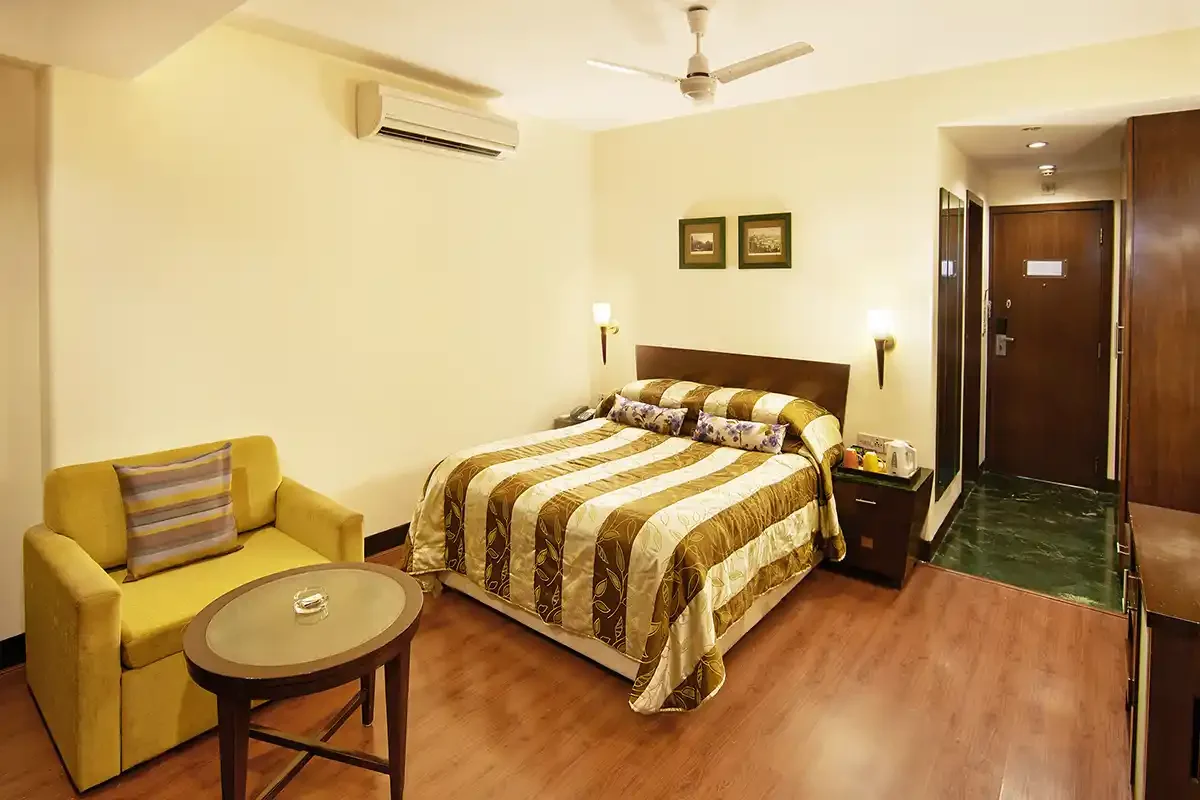
A cultural day does not have to end the moment you leave the last gallery.
At The Shalimar Hotel in Kemps Corner, guests can also stay close to the city's dining and leisure side without adding another long journey to the evening.
Gulmurg has been part of The Shalimar since 1962 and remains one of the hotel's established dining venues. The property also houses The Bakerie and Cafe Calma, giving guests different options depending on whether they want a proper meal, something from the bakery or a more relaxed café stop.
That makes the hotel useful as more than a place to return to at night.
It can be the pause between two parts of the day.
Spend the morning around museums and galleries. Head back towards Kemps Corner for a break. Then decide whether the evening calls for dinner at Gulmurg, something from The Bakerie or time at Cafe Calma.
The itinerary stays flexible without becoming complicated.
The Shalimar View
For us, that is what makes an art side quest different from a standard sightseeing list.
You are not searching for the oldest building.
You are not trying to visit every museum.
You are looking for the places where Mumbai is making, discussing, exhibiting and rethinking culture right now.
That also means there is no single final version of this guide.
The best recommendations will change as exhibitions close, new galleries open, programmes are announced and temporary installations appear across the city.
For guests staying at The Shalimar, the advantage is having a practical base from which to explore that changing scene, then return to Kemps Corner when the day is done.
Because the most interesting art side quest may be the one Mumbai added after the guide was published.
← Back to Blog