How to Spend a Weekend in South Mumbai
March 20, 2026
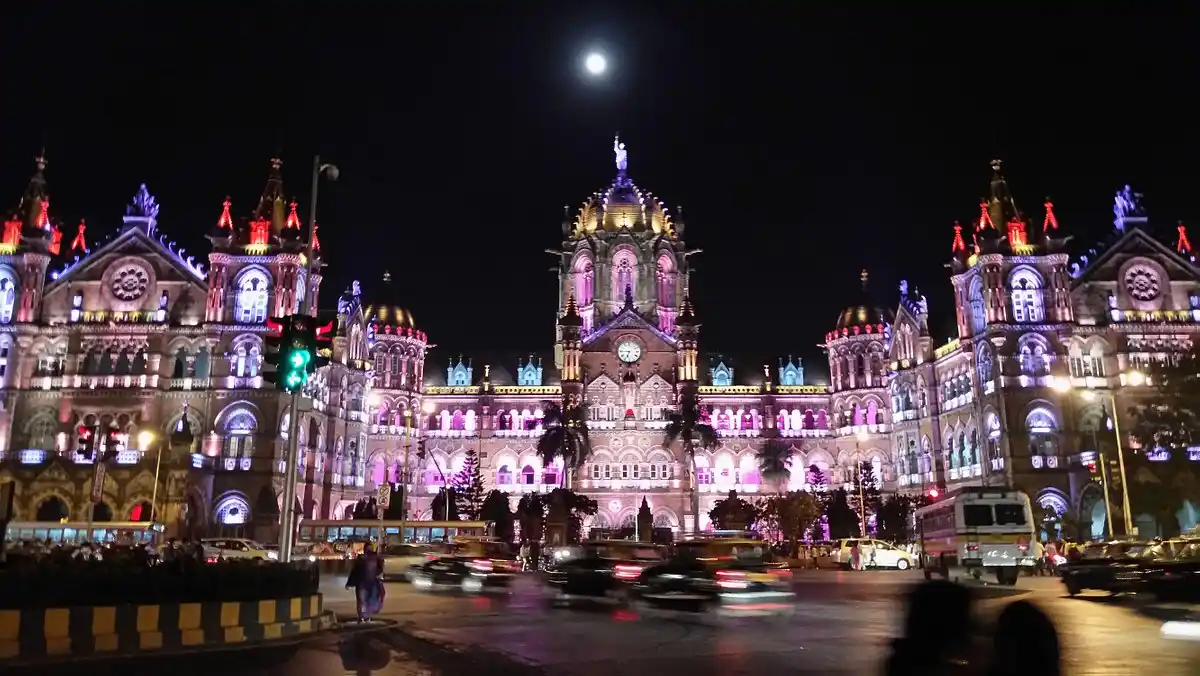
South Mumbai is one of those parts of a city that doesn't need much selling. The wide pavements, the sea air, the Gothic and Art Deco architecture sitting side by side, the old restaurants that have been serving the same food for fifty years: it gives the area a distinct character. It’s best explored on foot, and a weekend here often feels short.
The Shalimar Hotel sits in Kemps Corner, which puts you right where you want to be. Malabar Hill is walking distance, Marine Drive is a few minutes by cab, and Colaba and the Fort district are close enough to reach twice in a day if you feel like it. That matters more than it sounds. A lot of what makes this part of the city good requires a certain spontaneity, and being well-placed makes that easier.
Here's a rough shape for two days:
Saturday Morning: Kala Ghoda and the Art District
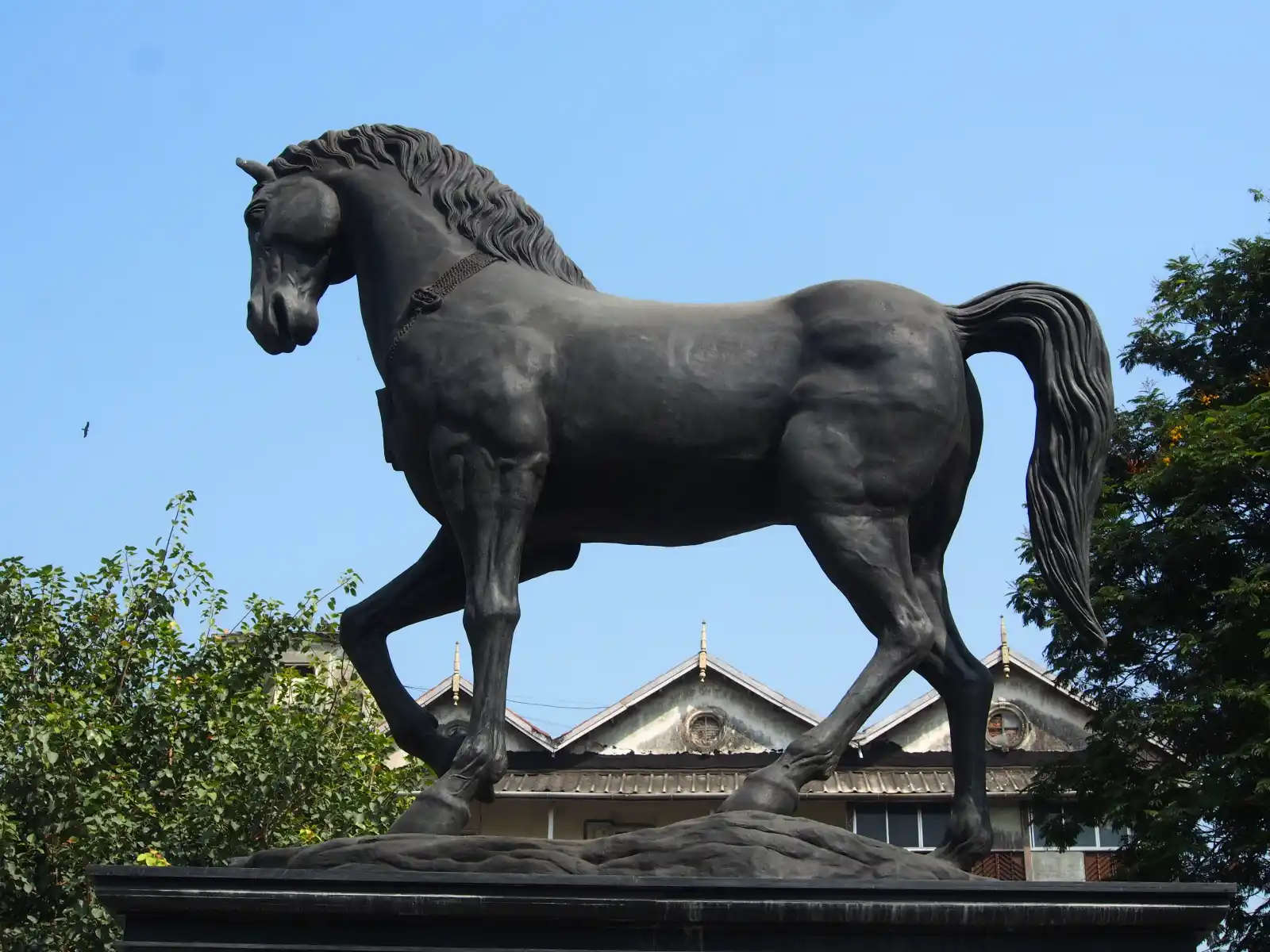
Kala Ghoda is named after a statue of King Edward VII that used to stand here. The statue is gone, but the neighbourhood has held onto its character better than most parts of the city. It's compact, mostly walkable, and worth a full morning. .
Start at Jehangir Art Gallery. The exhibitions change regularly and the quality is generally high. It consistently shows a strong mix of established and emerging Indian artists, and there's nearly always something worth seeing. Right next door is the Chhatrapati Shivaji Maharaj Vastu Sangrahalaya, the City Museum, built in 1922 in the Indo-Saracenic style. The building itself is the first thing worth looking at. The architecture alone makes it worth stopping for. The collection inside covers art, archaeology, and natural history and takes around an hour to see properly.
The David Sassoon Library from 1870 is a few minutes' walk away. Most people walk past it. The colonnaded verandah and garden offer a quiet break from the busy streets nearby, and it’s worth a quick stop. Between these buildings, artists sell their work directly from the footpath. It's not a formal market and it doesn't feel like one. Some of the work is quite good, and it's one of the more unassuming but memorable parts of the area.
By noon you'll have covered most of Kala Ghoda without having rushed. The distances are short and the pace is easy. It’s best explored without a strict list—you’ll often find interesting spots between the main attractions.
Saturday Afternoon: Gateway of India and Colaba Causeway
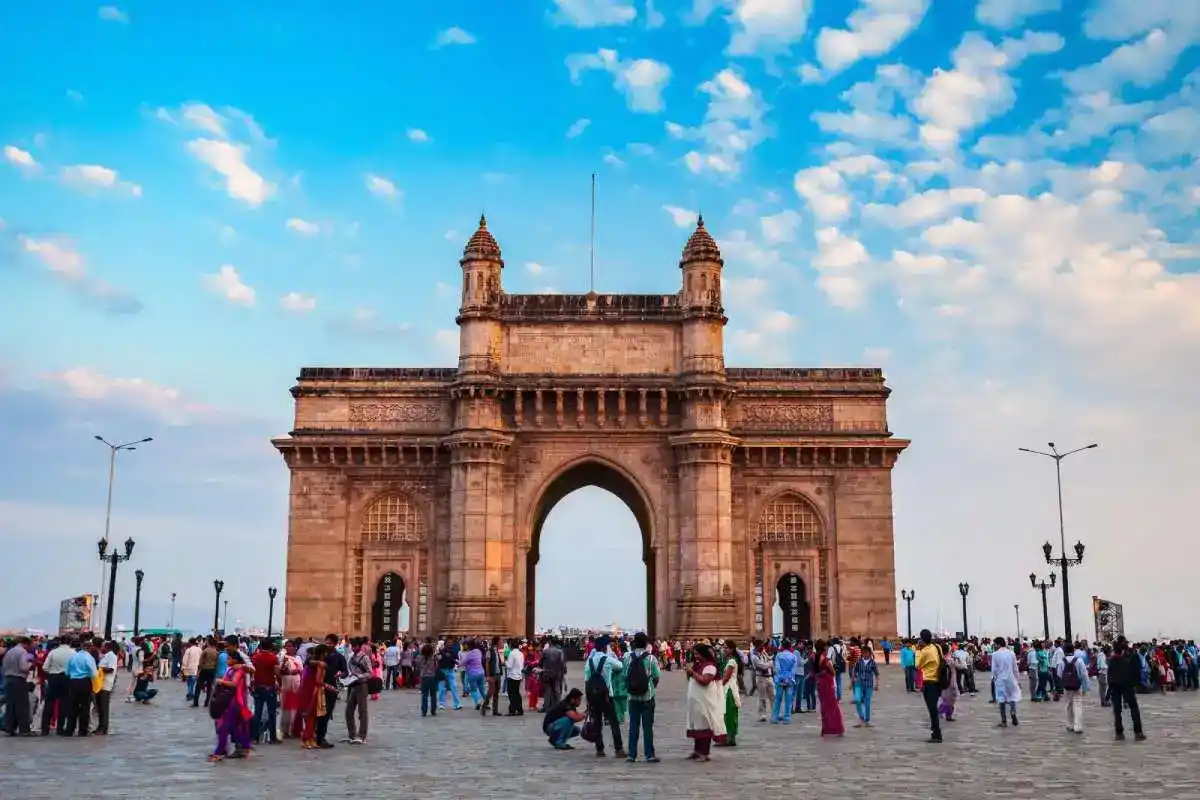
The Gateway of India is where most people start in Colaba, and it works well as a starting point. A basalt arch completed in 1924 on Apollo Bunder, built in the Indo-Saracenic style to mark the 1911 royal visit of King George V and Queen Mary, it sits at the edge of the harbour and offers a clear view of the waterfront. The Taj Mahal Palace is directly across from it. The Taj opened in 1903 in the Indo-Gothic style and is worth looking at properly even if you're not going inside. Both buildings are worth spending some time exploring.
The waterfront fills up on weekends. If you want to take it in without the full crowd, getting there before noon helps. By early afternoon the energy shifts and becomes harder to navigate at a comfortable pace.
Colaba Causeway is a ten-minute walk from the Gateway and is lined with vendors selling jewellery, leather, antiques, and clothes. It rewards going through slowly. It’s a good place to browse if you have the time, and the street has retained its original, local character.
Delhi Darbar on the Causeway has been here for years and the Mughlai food is reliable. The chicken biryani is what most people order. The menu also has chicken leg barra, tandoori fish, and murgh musallam, and the kitchen handles all of it consistently.
Leopold Cafe nearby was established in 1871 by Irani Zoroastrians. It started as a cooking oil store and eventually became what it is now: a large, lived-in space with colonial interiors, a mix of locals and travellers, and a space that has kept its character over time.
The afternoon can be planned easily around these spots. The waterfront, the Causeway, lunch, and a slow walk back.
Saturday Evening: Marine Drive and the Queen's Necklace
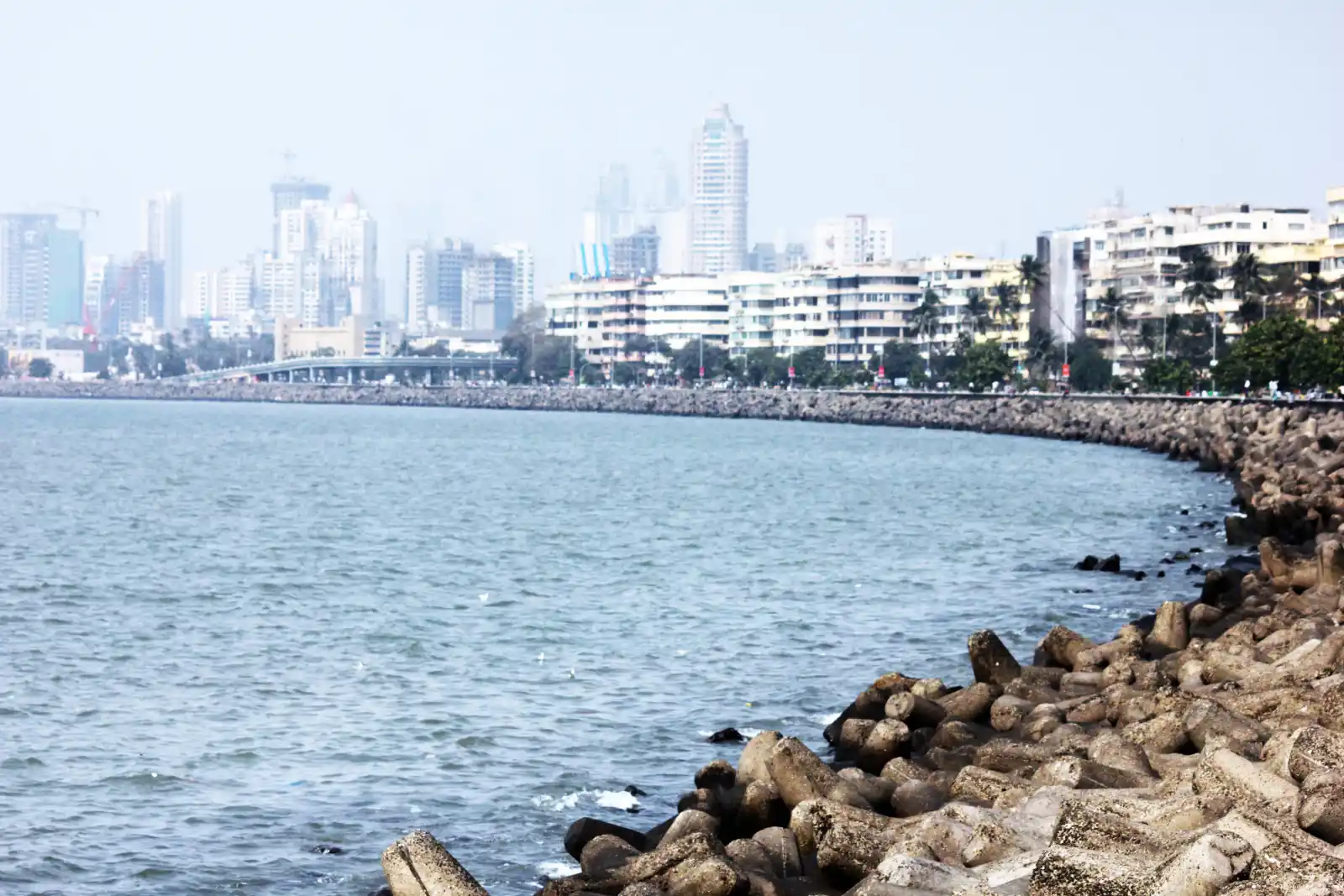
Marine Drive earns its reputation. The promenade runs along Netaji Subhash Chandra Bose Road, curving around the Arabian Sea in the arc that gives it the nickname the Queen's Necklace. At night, the streetlights create the “Queen’s Necklace” effect.
Walk it from Nariman Point towards Chowpatty with the sea on one side and a row of Art Deco residential buildings on the other. The tetrapod wall is always lined with people sitting and watching the water. Sunset here is one of the best times to visit, and the atmosphere becomes more relaxed in the evening.
The Arriba terrace at The Shalimar Hotel is a good place to sit once the walking is done. As the city lights come on around Kemps Corner, it's a straightforward end to a full day on foot.
Sunday Morning: Flora Fountain and the Fort District
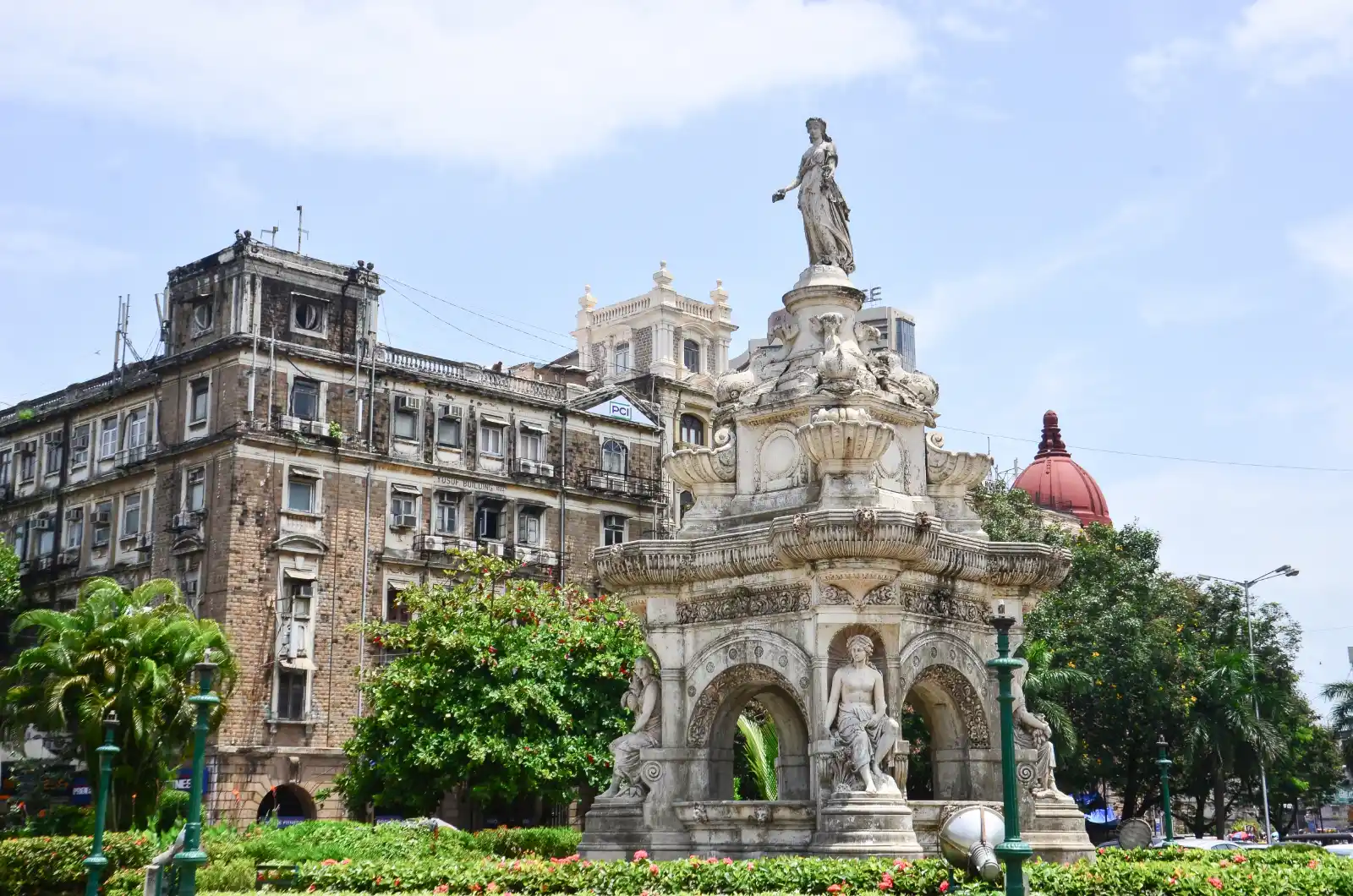
The Fort district is quieter on a Sunday, which is the right time to walk it. Flora Fountain is at the centre: a stone figure of the Roman goddess Flora, built in 1864 and surrounded by Gothic Revival buildings that used to house the financial and trading institutions that ran this city. The area reflects a strong colonial architectural influence.
The lanes around the fountain are where the neighbourhood gets interesting. There are footpath booksellers who have been in the same spots for decades, old printing establishments, tailors who inherited the premises from the people who taught them. It’s not built around tourism, which is part of its appeal. It’s easy to spend an hour here without a fixed plan.
The Chhatrapati Shivaji Maharaj Terminus is nearby. It's a UNESCO World Heritage Site and its Victorian Gothic facade is among the most detailed pieces of architecture in India. The detailing stands out, and it’s worth stopping even if you're not catching a train.
The Ashish Book Centre runs an annual book exhibition near Churchgate Terminus. Long rows of stalls, thousands of fiction and non-fiction titles, discounted prices. For anyone who reads, it's one of the better ways to spend a Sunday morning in this part of the city, and the kind of addition to a weekend itinerary that rarely disappoints. The exhibition draws serious crowds, but the scale of it means you can still lose an hour in a corner without feeling rushed.
Sunday Afternoon: Malabar Hill and a Leisurely Close
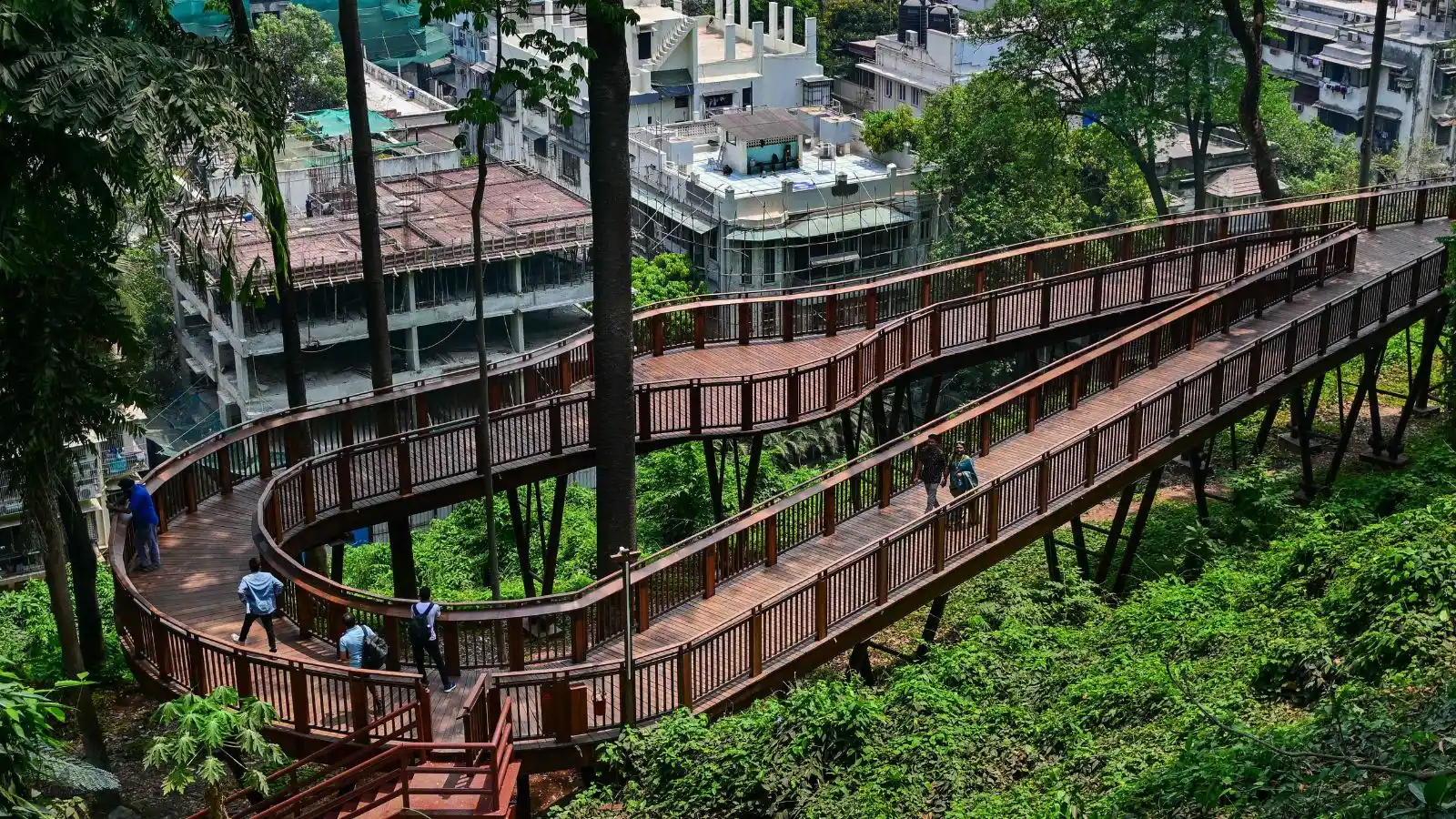
From Kemps Corner, Malabar Hill is right there. The Hanging Gardens, officially the Pherozeshah Mehta Gardens, have been here since 1881, built over the city's main underground reservoir. The shaped hedges are what most people recognise. The gardens are well-suited for a slow, relaxed walk. They're well-shaded and carefully maintained, and noticeably calmer than most parts of the city.
Kamala Nehru Park is adjacent to the Hanging Gardens and was laid out in 1952. It's named after the wife of India's first Prime Minister. Children go straight for the large boot-shaped structure, which is a faithful rendering of the nursery rhyme and more entertaining than it sounds. The main highlight is the view of Marine Drive, Back Bay, and the skyline below. In the late afternoon, when the light shifts, it offers a wide view of Marine Drive and the city skyline.
The Nehru Planetarium on Dr. Annie Besant Road is worth knowing about if you're travelling with children. It's a good final stop before heading home.
Practical Tips for Your Weekend Break in Mumbai
November to February is the most comfortable time to be in South Mumbai. The weather is dry and cool, well-suited to the kind of long walking this part of the city rewards. April to June is hot. The early mornings and evenings are workable, but the middle of the day outdoors is difficult. June to September is the monsoon. The sea gets rough, the buildings go into the mist, and some streets flood. It has its own atmosphere, but it requires adjusting the plan accordingly.
Taxis and app-based cabs work well throughout the area. Churchgate station connects to both suburban lines. Most of South Mumbai is close enough to itself that you'll end up walking more than you expected. That's not a problem. Most of what's worth seeing here reveals itself better on foot than from a car, and you’ll often find good spots while moving between destinations. It's useful to have a rough plan but not be too attached to it.
What Guest Reviews Reveal
South Mumbai is also one of those places where a second visit tends to be more rewarding than the first. The first time, you're finding the shape of the streets and working out how the neighbourhoods connect. On a second visit, it becomes easier to explore more efficiently. A weekend here is usually a good reason to plan the next one, and The Shalimar Hotel’s location in Kemps Corner makes it a practical base.
← Back to Blog